
TVs
Best Picks
Best TVs from CES 2026
Bring the cinema home.
Best 4K TVs of 2026
Find the Perfect 4K Television for Stunning Picture Quality and Seamless Streaming
Best OLED TVs of 2026
Premium OLED TVs That Deliver Perfect Blacks and Vivid Color for Cinematic Home Viewing
Best Sports TVs of 2026
Top Picks for Motion, Brightness, and Game-Day Clarity

Best QLED TVs of 2026
Elevate Your Viewing with High-Performance QLED Televisions
Best Budget TVs of 2026
Premium Features Without the Premium Price
Reviews
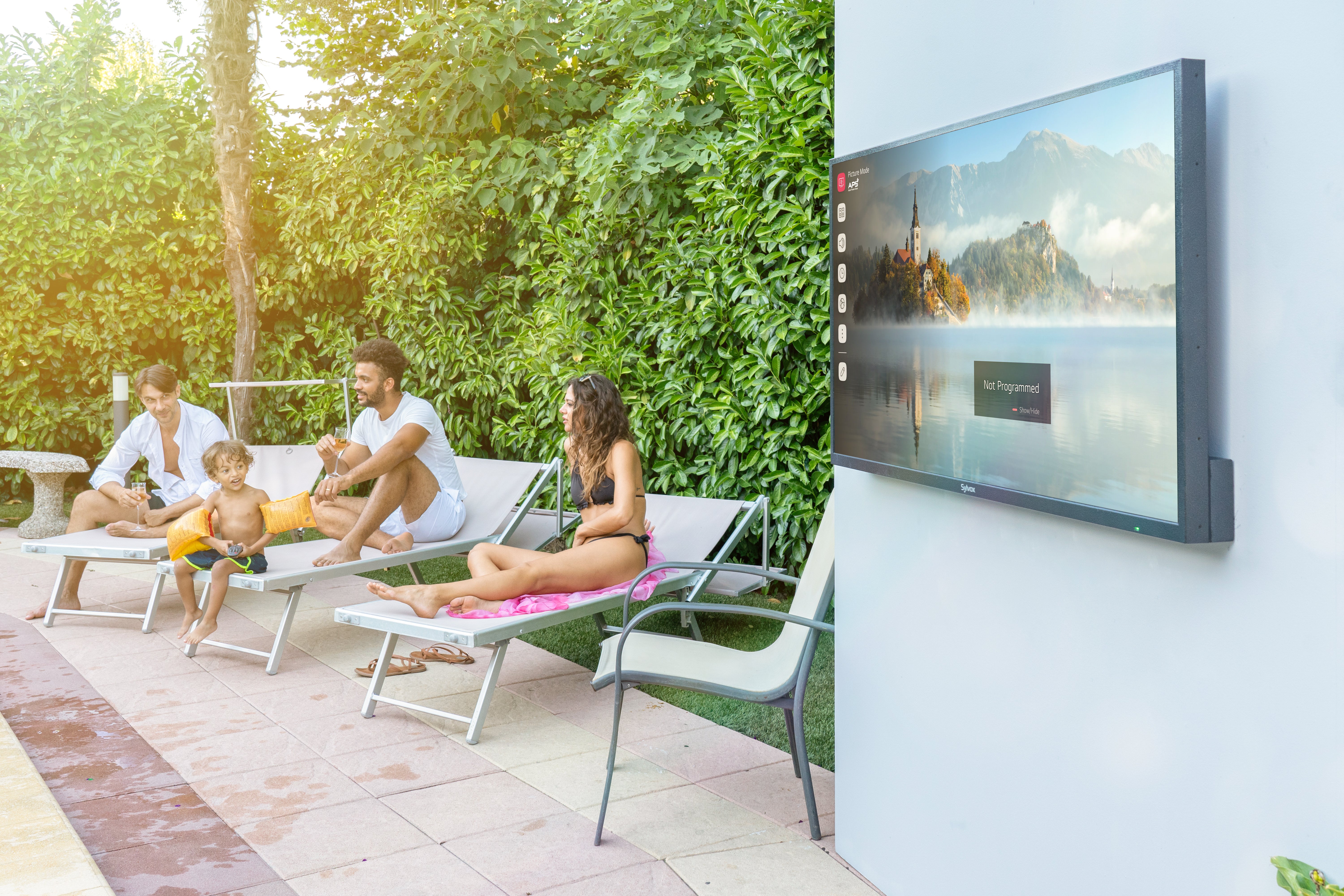
Sylvox Frameless Outdoor TV: Rugged, Stylish Entertainment for Any Outdoor Space
The Sylvox Frameless Outdoor TV stands out by blending modern, minimalist aesthetics with IP56-rated weather resistance. Critics praise its slim, bezel-free build and solid 4K performance, while users value its ability to withstand rain, dust, and extreme conditions without sacrificing picture quality. Whether you’re hosting a backyard movie night or watching the big game on your patio, the Sylvox Frameless Outdoor TV brings dependable, high-quality entertainment to the great outdoors.
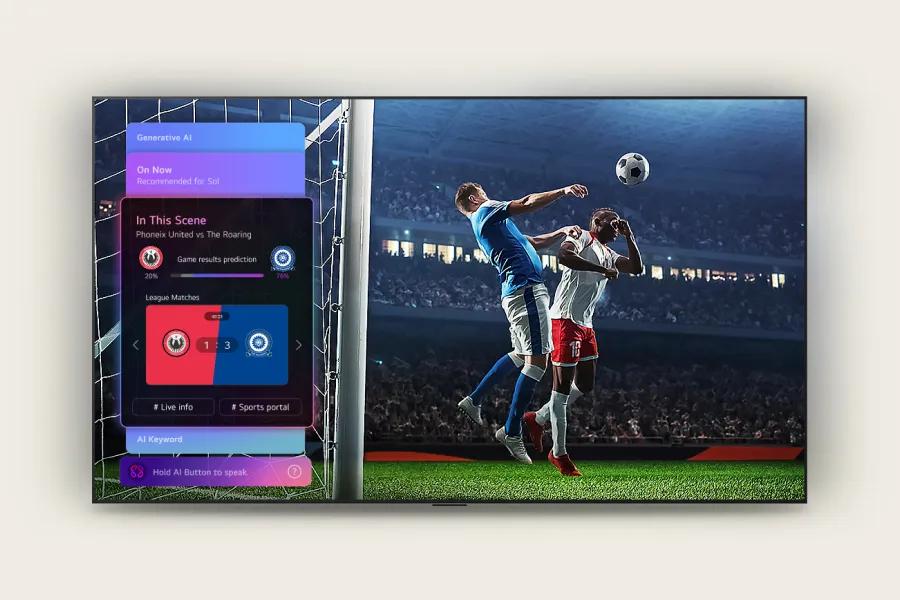
LG C6 OLED TV: Bright, Reliable, and Accessible OLED Performance for Every Home
The LG C6 OLED TV continues the brand’s legacy of delivering reliable, high-quality OLED displays, now with a significant boost in brightness for select sizes. Critics highlight its vivid colours, improved HDR, and value for the price, while everyday users appreciate its straightforward setup and consistent performance. With gaming-friendly features and a sleek design, the C6 is an excellent choice for those seeking premium OLED visuals without stepping up to flagship models.
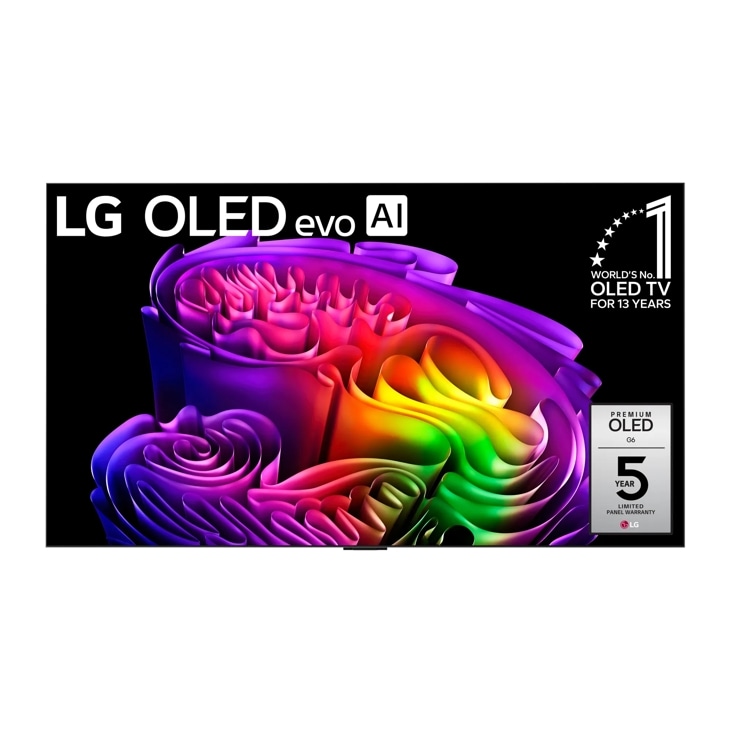
LG G6 OLED TV: Brilliant Brightness and Refined Performance for Modern Living
The LG G6 OLED TV stands out with its ultra-bright panel, advanced anti-glare technology, and elegant, wall-hugging form. Critics consistently praise the G6 for its leap in brightness over previous models and its ability to maintain stunning colour accuracy in any lighting. Everyday users love the TV’s easy integration into modern spaces and its reliable performance for movies, gaming, and daily entertainment. If you want a TV that excels in both style and substance, the G6 is a top contender.
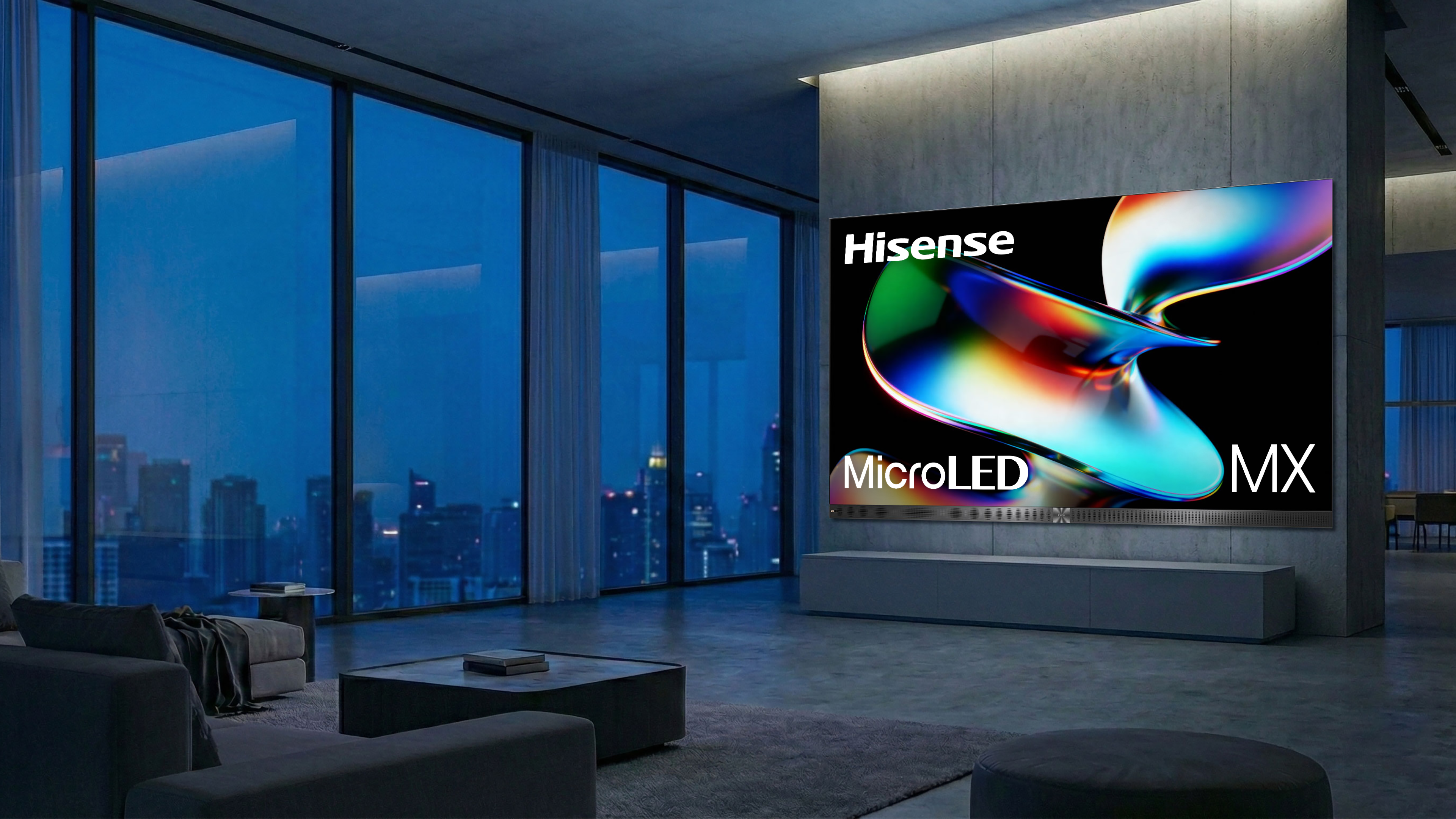
Hisense 163MX Micro-LED TV: Expansive Micro-LED Power for the Ultimate Home Theatre
The Hisense 163MX Micro-LED TV is a technological marvel, boasting a massive 163-inch screen and a unique RGBY (red, green, blue, yellow) pixel structure for expanded colour reproduction. Critics are wowed by its size, clarity, and wall-to-wall immersion, while users love the detail and vibrancy it brings to movies, sports, and events. With micro-LED technology, this TV offers deep blacks, high brightness, and a slim profile for zero-gap wall mounting. If you want a statement piece that delivers an unmatched viewing experience, the 163MX is the new gold standard.
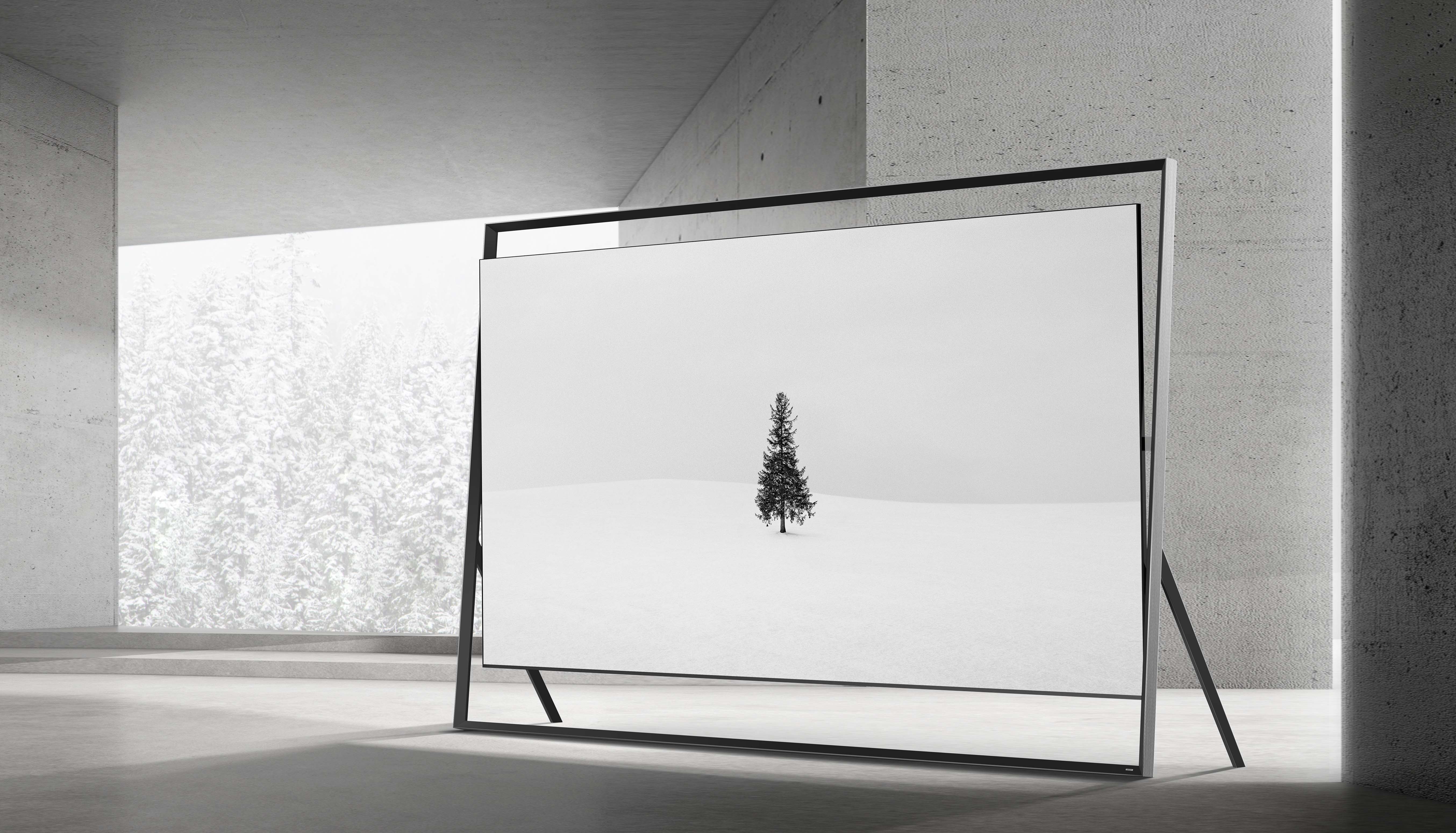
Samsung R95H MicroRGB TV: Giant-Screen Innovation for the Ultimate Viewing Experience
The Samsung R95H MicroRGB TV is a statement piece in every sense. With its enormous 130-inch screen and advanced MicroRGB technology, it delivers breathtaking brightness, colour saturation, and clarity. Critics highlight its show-stopping size and vibrant visuals, while everyday users are awed by its immersive viewing and modern design. If you are searching for a home cinema experience that rivals commercial theatres, the R95H stands at the top of the field.
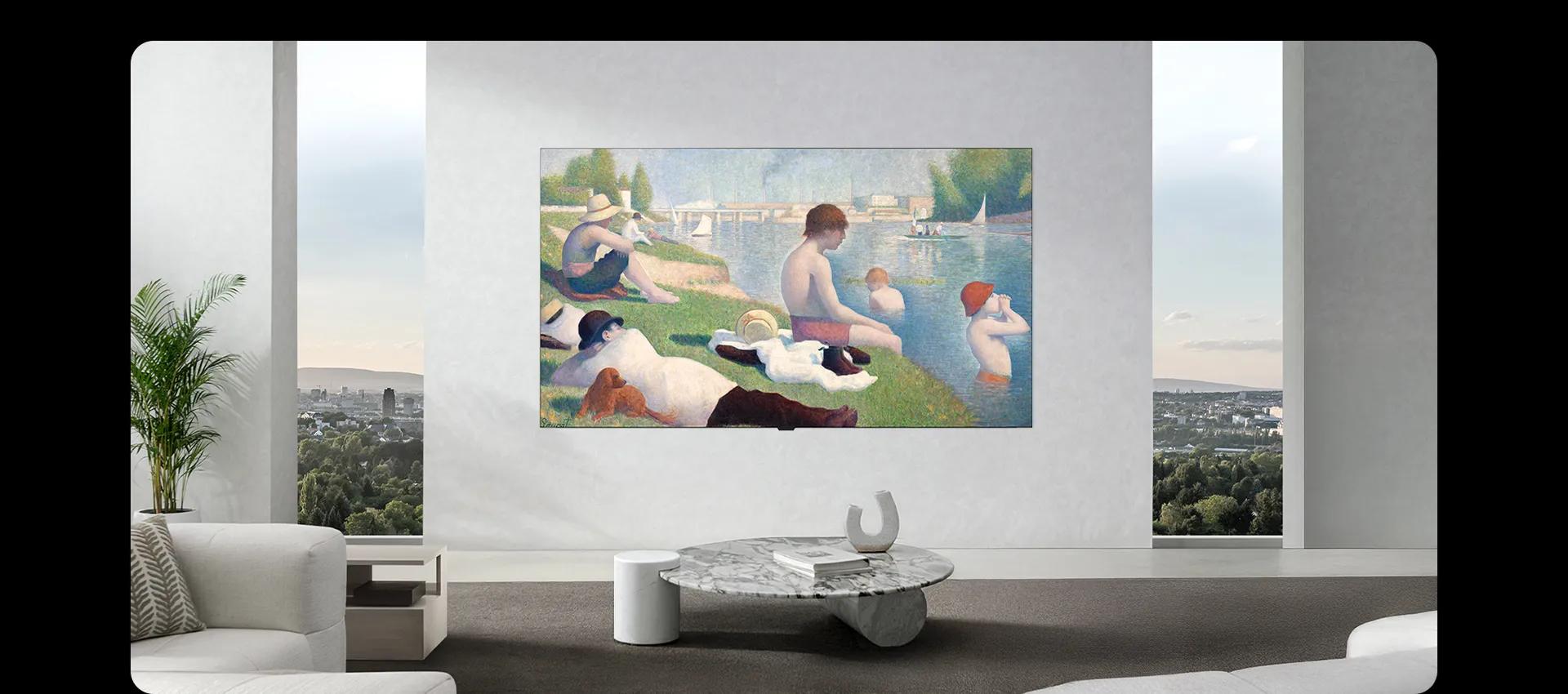
LG W6 Wallpaper OLED TV: Ultra-Thin Brilliance for the Modern Home
The LG W6 Wallpaper OLED TV is a showstopper, with its impossibly thin profile and wireless design drawing immediate attention. Critics praise the W6 for delivering exceptional picture quality, true-to-life colours, and a seamless wall-mounted look. Everyday users are equally impressed by its minimalist aesthetic and ease of integration into any room. If you want a TV that feels more like a piece of art than an appliance, the W6 sets a new standard.
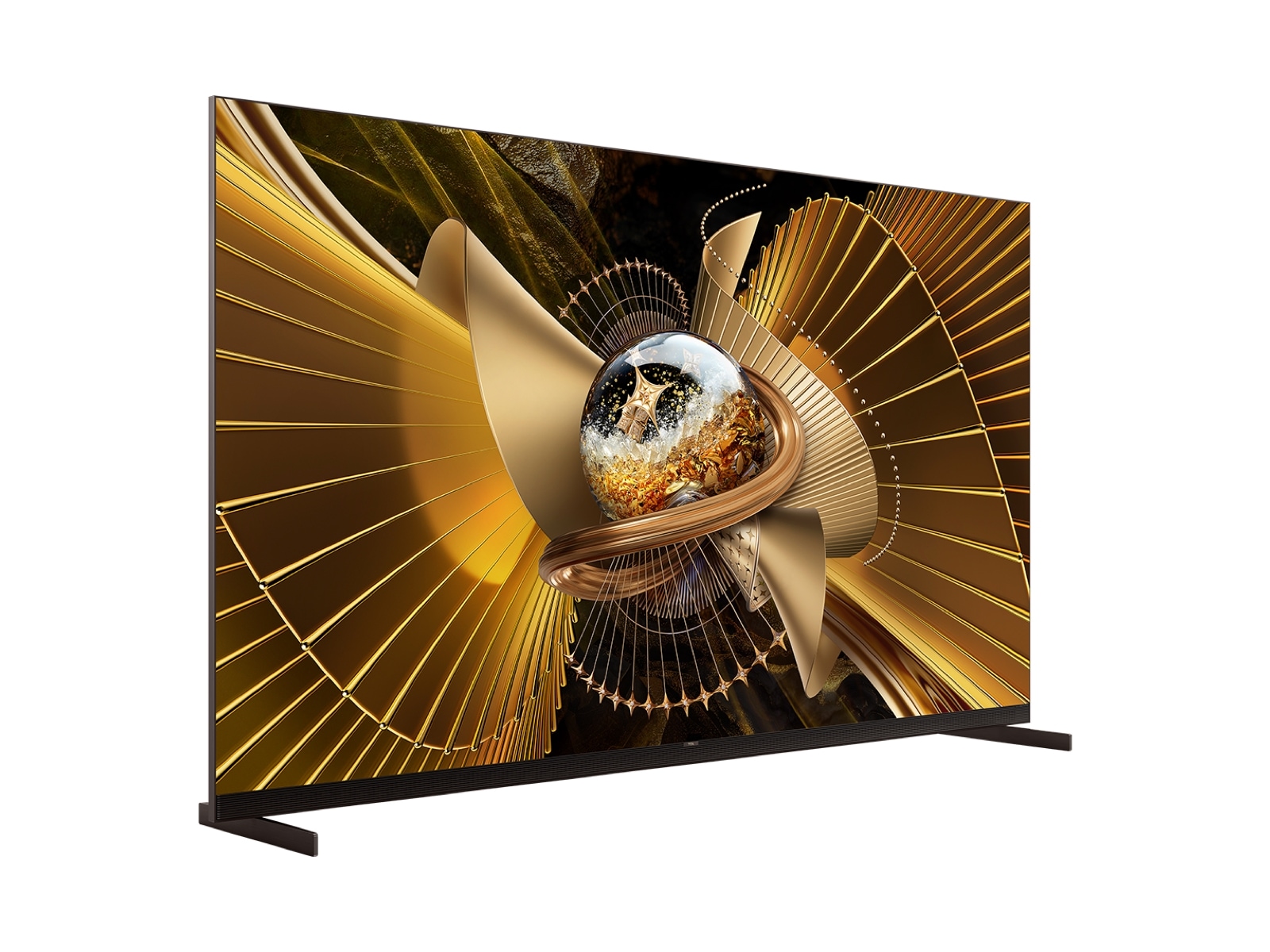
TCL X11L SQD Mini LED TV: Ultra-Bright, Colourful, and Ready for Every Room
The TCL X11L SQD Mini LED TV is a powerhouse that blends cutting-edge SQD Mini LED technology with a premium viewing and listening experience. Critics praise its remarkable brightness, precise colour reproduction, and advanced dimming zones, while users are impressed by its ability to shine in both bright and dark rooms. With a built-in Bang & Olufsen soundbar and support for Dolby Atmos, the X11L is perfect for those who want a cinematic experience at home. If you’re seeking a TV that excels in both picture and sound, the X11L is a top pick.
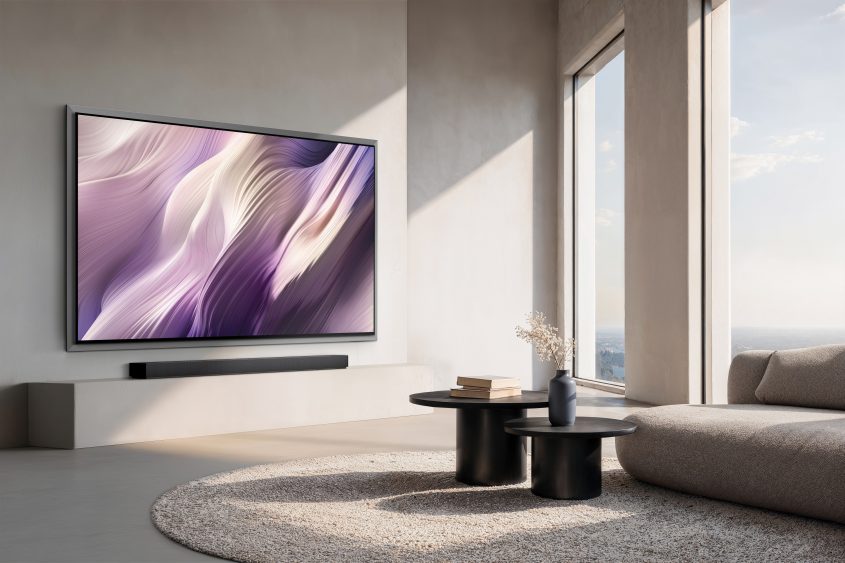
Samsung S95H OLED TV: Brighter, Smarter, and Ready for Any Room
The Samsung S95H OLED TV is a leap forward in display technology. With its ultra-bright panel, anti-burn-in protection, and flexible wired or wireless setup, it appeals to those who want the best picture quality without compromise. Critics praise its vivid colours and innovative features, while users appreciate its ease of use and versatility. If you want a TV that blends performance with smart design, the S95H is hard to beat.
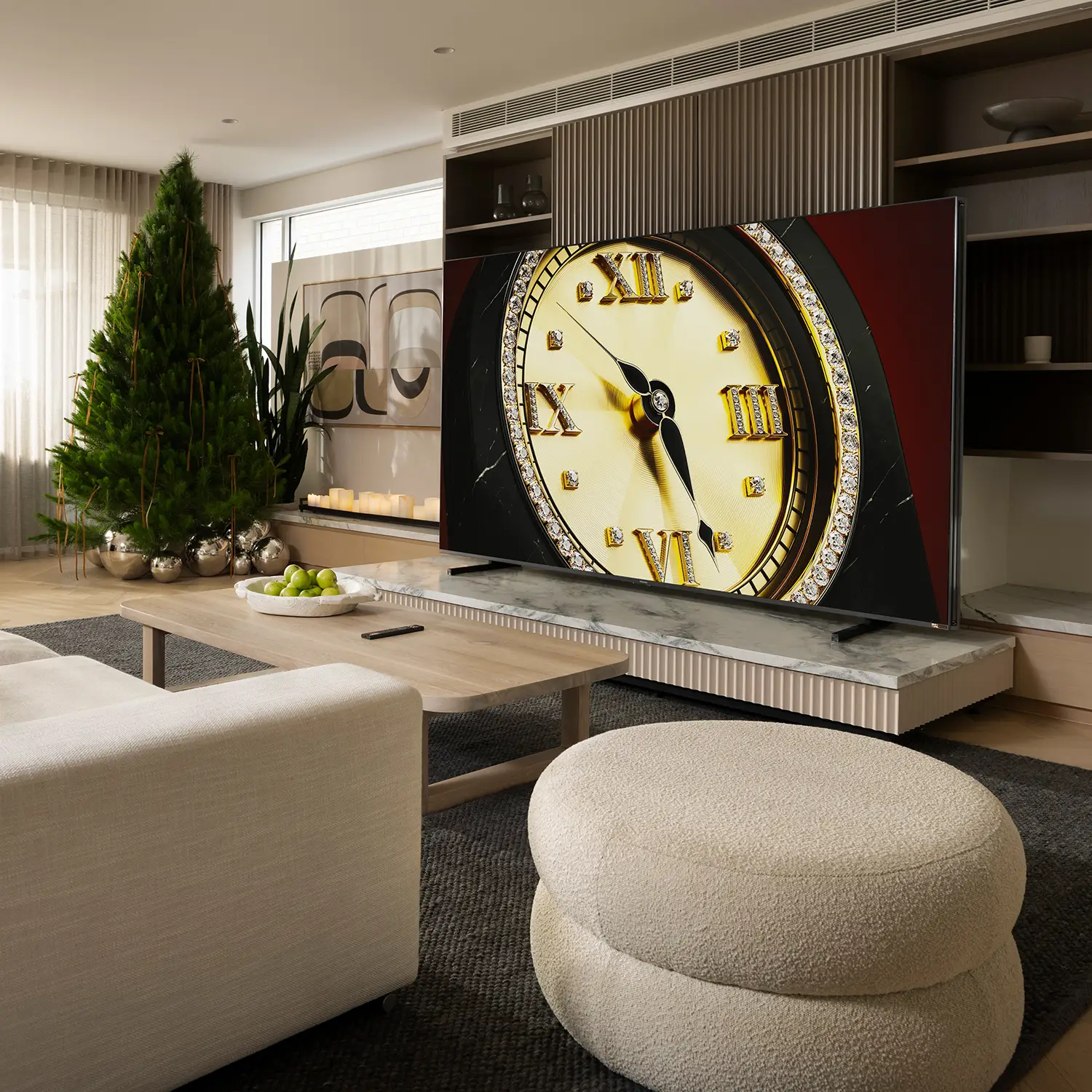
Hisense 116UXS RGB-MiniLED: Next-Level Visuals and Everyday Brilliance
The Hisense 116UXS RGB-MiniLED TV stands out as a flagship display that pushes the boundaries of MiniLED technology. Expert reviewers and everyday users agree that its combination of ultra-high brightness, refined colour accuracy, and deep contrast delivers a premium viewing experience. The 116-inch size makes a bold statement, transforming any space into a home cinema. While installation and the sheer size may not suit every home, those who invest in the 116UXS are rewarded with a vibrant, immersive display that excels in both movies and gaming. Hisense’s focus on intuitive smart features and long-term reliability further strengthens its appeal.