
Mobile
Best Picks

Best Android Phone of 2026
The Ultimate Android Phones: Performance, AI Innovation, and Next-Gen Power
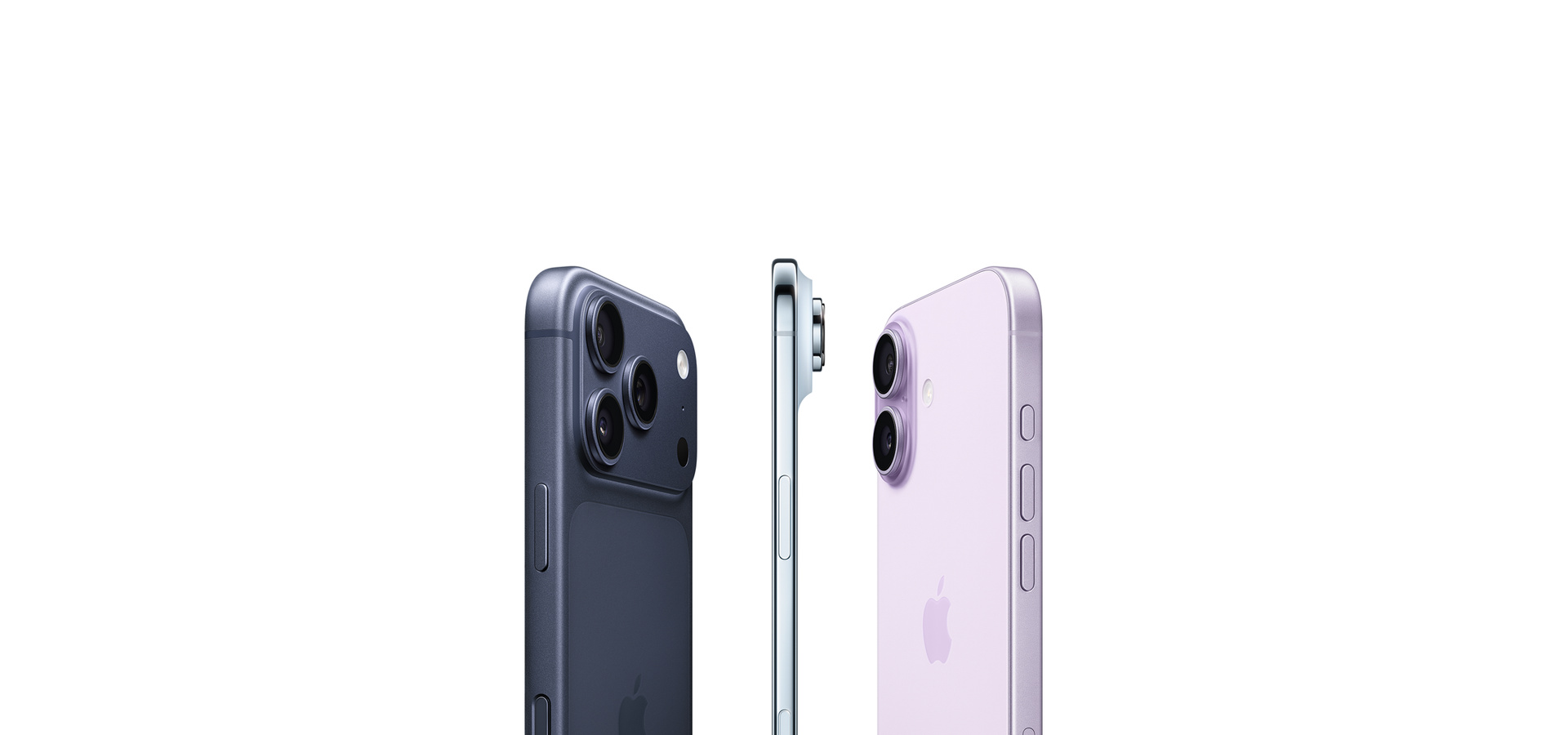
Best Phone of 2026
Premium Smartphones That Balance Power, Photography and All-Day Battery Life
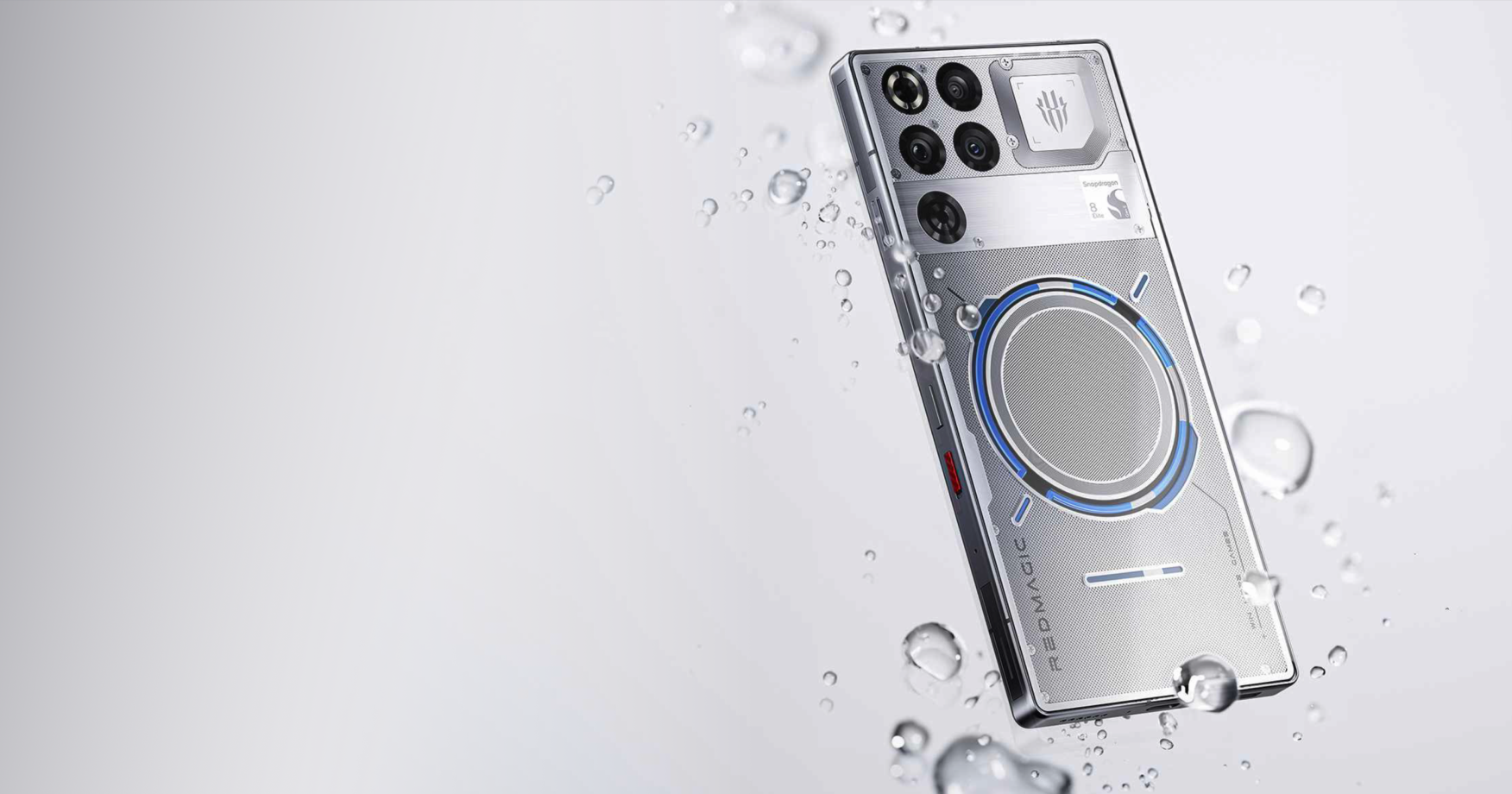
Best 5G Phone of 2026
Premium 5G Smartphones That Balance Performance, Photography and All-Day Connectivity

Best Foldable Phone of 2026
The Ultimate Portable Powerhouse: Foldable Smartphones That Transform How You Work and Play
Reviews

Apple iPhone 17
The iPhone 17 lineup represents a pivotal moment for Apple, finally unifying the display experience with ProMotion across all models. While the new ultra-thin "Air" model steals the headlines with its radical ergonomics, the Pro series cements its lead with 12GB of RAM and enhanced 48MP telephoto optics.
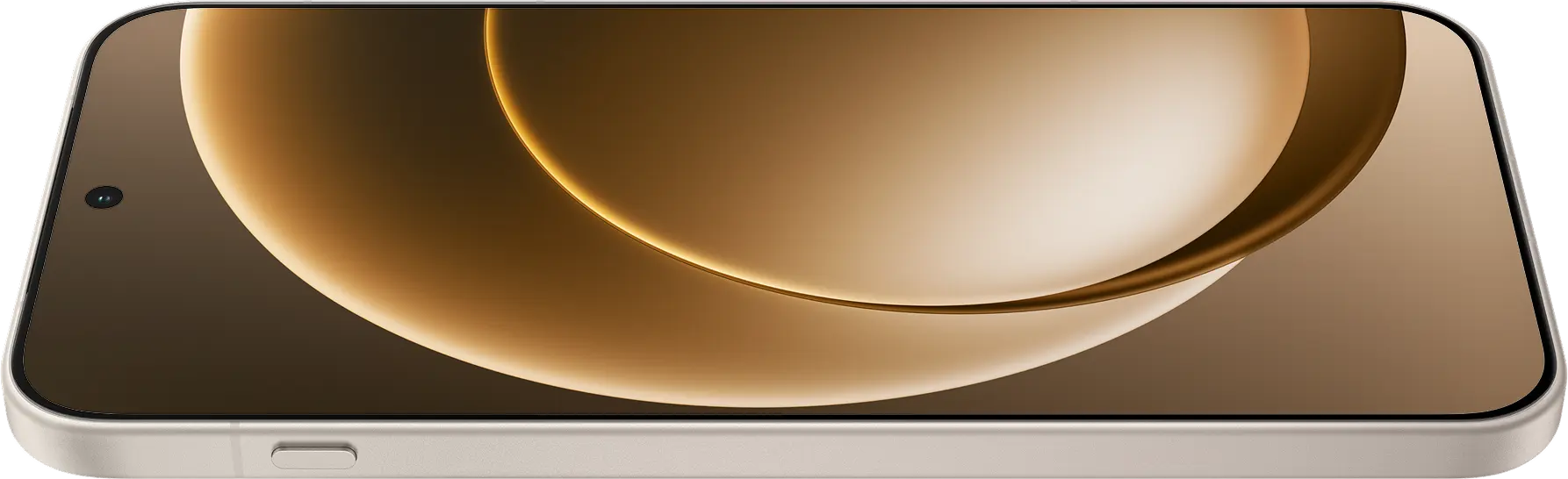
OnePlus 15
The OnePlus 15 arrives as the culmination of the brand's pivot back to its enthusiast roots while maintaining premium build quality. Featuring the latest BOE X3 "Ultra" display and a refined Hasselblad Master Camera System, it addresses previous criticisms regarding telephoto consistency and thermal throttling. It stands as a formidable alternative to the Ultra and Pro Max tiers, focusing on raw speed, longevity, and a clean, high-performance software experience.

Samsung Galaxy A16 5G
The Samsung Galaxy A16 5G represents a pivotal shift in the entry-level smartphone market. By extending its flagship-grade software support—six years of OS and security updates—to a sub-series device, Samsung is challenging the industry standard of planned obsolescence. The device features a refined, slimmer "Key Island" design, a vibrant 6.7-inch Super AMOLED display, and an upgraded IP54 rating for dust and splash resistance. While it retains some legacy budget compromises like the "Infinity-U" waterdrop notch and a mono speaker, its focus on longevity makes it a unique proposition for value-conscious consumers.

Samsung Galaxy Z Fold 6
The Samsung Galaxy Z Fold 6 represents a significant design pivot, moving toward a more industrial, squared-off aesthetic that mimics the S24 Ultra. While the internal hardware remains largely unchanged, the software experience is overhauled with Galaxy AI and seven years of support.

Google Pixel 9 Pro
The Google Pixel 9 Pro represents the pinnacle of Google’s "Pro" evolution, finally offering flagship-tier camera hardware in a pocketable 6.3-inch form factor. While the Tensor G4 processor doesn't win the benchmark wars against Apple or Samsung, the device excels in real-world fluidity, AI-driven photography, and a sophisticated industrial design.

Motorola Razr Ultra
The Motorola Razr Ultra (Razr 50 Ultra) represents the pinnacle of clamshell foldable evolution. By prioritizing the external display utility and refining the hinge mechanics, Motorola has transitioned the Razr from a nostalgic fashion statement into a high-performance productivity tool. Featuring the Snapdragon 8s Gen 3 chipset and a stunning 165Hz pOLED display, it challenges the status quo by allowing users to operate almost any app without unfolding the device.
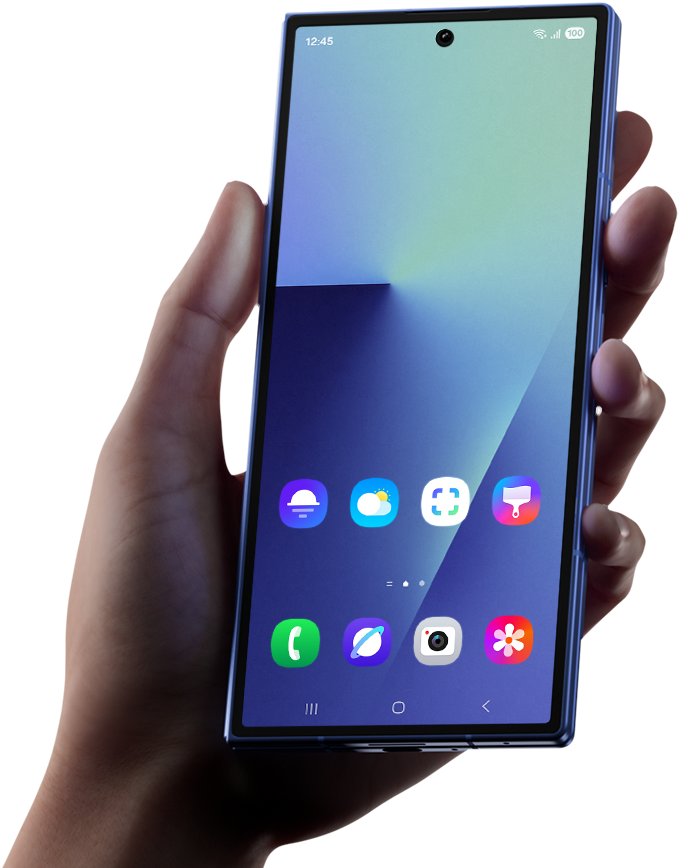
Samsung Galaxy Z Fold 7
The Samsung Galaxy Z Fold 7 represents a pivotal shift for Samsung's foldable line. Moving away from incremental updates, the Fold 7 focuses on ergonomics, targeting a significantly thinner profile that rivals traditional slabs. With the integration of the Snapdragon 8 Gen 5 (based on early-year cycles) and a refined "IronFlex" display, Samsung is doubling down on durability while introducing Galaxy AI 2.0 features specifically designed for the expanded canvas. While the camera hardware remains a step behind the S26 Ultra, the software optimization and ecosystem synergy make it the most polished foldable experience on the market.

Samsung Galaxy Z Flip 7
After years of incremental updates, the Samsung Galaxy Z Flip 7 marks a pivotal shift for the series. By integrating a triple-camera system and a 4,500mAh silicon-carbon battery, Samsung has addressed the two biggest pain points: photography and longevity. The 4.0-inch 'Flex Window' cover display now supports full-app mirroring natively, reducing the need to unfold the device for routine tasks. While the crease is still visible under harsh lighting, the new 'LiquidHinge' architecture makes it nearly imperceptible to the touch, solidifying its place as the premier choice for those seeking a compact yet uncompromising smartphone experience in 2026.
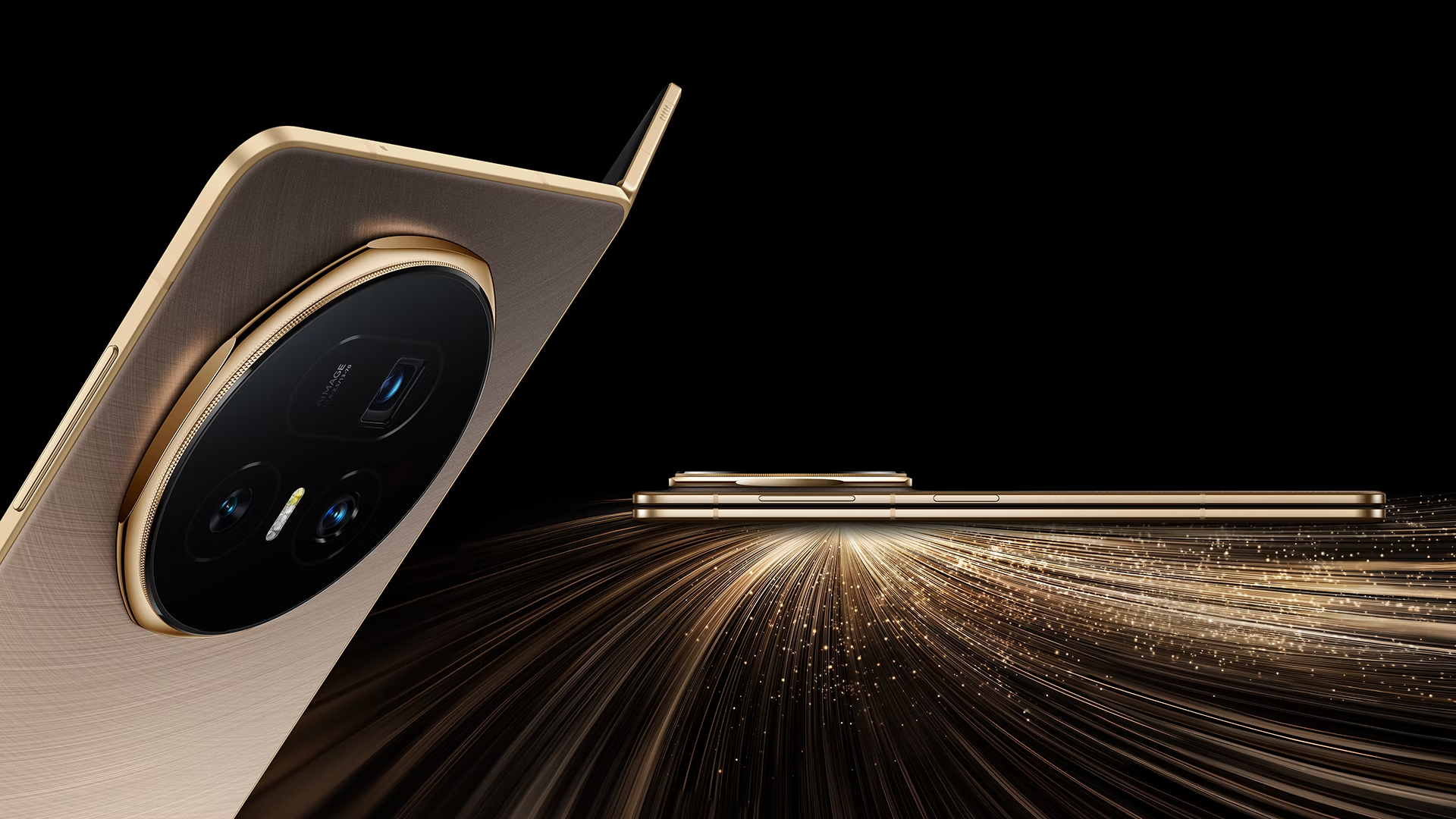
Honor Magic V5
The Honor Magic V5 represents the pinnacle of foldable structural engineering as of early 2026. By utilizing a third-generation Silicon-Carbon battery and a proprietary "Super-Steel" hinge mechanism, Honor has achieved a folded thickness of just 8.9mm. Beyond the slim profile, the device integrates the Snapdragon 8 Gen 5 chipset, a sophisticated triple-lens array with a 180MP periscope zoom, and an evolved MagicOS 9.5 that leans heavily into intent-based AI. While the hardware is arguably the best in its class, the software still carries some of the traditional MagicOS quirks, though the gap between Honor and its competitors (Samsung/Google) has narrowed significantly in terms of ecosystem cohesion.